
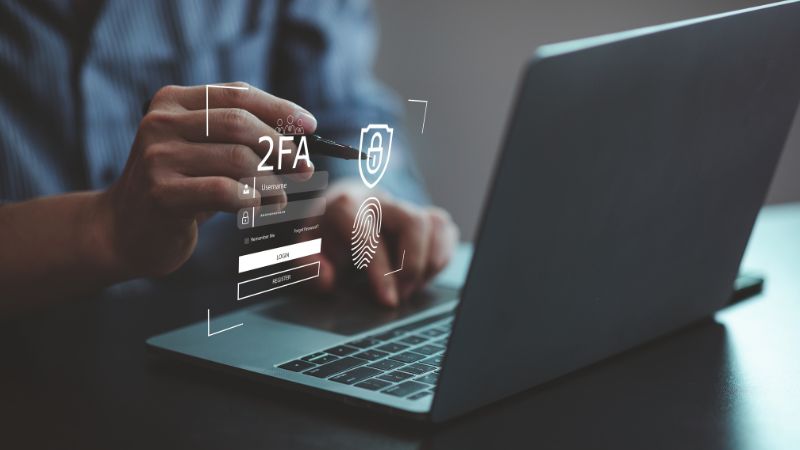
Cybersecurity is now part of everyday business operations. Email, cloud applications, mobile devices, remote access and online services make it easier for organisations to work efficiently, but they also create more opportunities for cyber threats to affect systems and information.
For businesses in Colac, and regional organisations operating in locations such as Halls Gap, effective cybersecurity is not simply a matter of installing antivirus software and assuming the job is finished. Protecting a modern business requires an understanding of the people, devices, applications, networks and information that make up the organisation’s technology environment.
The goal is not to eliminate every possible risk. No cybersecurity strategy can guarantee that an organisation will never experience an incident. The objective is to understand the risks that matter to the business, put appropriate protections in place, monitor for suspicious activity and be prepared to respond when something goes wrong.
That requires a more complete approach to cybersecurity.
Cybersecurity Starts With Understanding Your Environment
Businesses cannot protect systems they do not know they have.
A practical cybersecurity program begins by understanding the technology environment. This includes computers, servers, mobile devices, cloud applications, email systems, network equipment and any other devices or services that connect to business information.
It also means understanding who has access.
Employees may have different levels of access depending on their responsibilities. Contractors may require temporary access. Administrators may hold elevated privileges that allow them to make significant changes to systems. Former employees can become a security concern if accounts are not disabled correctly after they leave.
A cybersecurity assessment helps bring this information together.
The purpose is not simply to produce a list of technical problems. It is to establish a baseline so the organisation can understand its current security posture, identify areas that require attention and prioritise improvements according to business risk.
For regional businesses with limited internal IT resources, this structured approach can be especially valuable. Instead of reacting to individual security concerns as they arise, the organisation can work towards an agreed security roadmap.
Cybersecurity Is More Than Antivirus and a Firewall
Antivirus software and firewalls remain important components of business security, although neither provides complete protection on its own.
Modern cyber threats can target users, identities, email accounts, cloud services, mobile devices and applications as well as the traditional office network.
A phishing email, for example, may attempt to convince an employee to enter their Microsoft 365 credentials into a fraudulent website. In that situation, the attacker may never need to exploit the company firewall.
Similarly, an unpatched application or compromised administrator account can create a different path into business systems.
Effective cybersecurity therefore relies on multiple layers of protection.
Email security, multi-factor authentication, access controls, patching, endpoint protection, firewall management, mobile device controls and security monitoring each address different areas of risk. Employee awareness is also important because people regularly make security decisions while opening attachments, following links, sharing information and responding to requests.
The Australian Signals Directorate recommends a layered approach to cyber risk and continues to identify the Essential Eight as a baseline set of mitigation strategies for internet-connected IT environments. ASD also makes clear that no set of security strategies can guarantee protection against every cyber threat.
That is why cybersecurity should be treated as an ongoing business process rather than a product that is purchased once and forgotten.
Identity Security Has Become Critical
The way businesses access technology has changed.
Employees may use Microsoft 365, cloud accounting platforms, customer management systems and other online applications from the office, home or mobile devices. In many cases, the username and password have become the gateway to business information.
This makes identity protection particularly important.
Multi-factor authentication adds another verification step when someone signs in, helping reduce reliance on passwords alone. Role-based access can also limit employees to the systems and information required for their responsibilities.
Administrator access deserves even greater attention. Accounts with elevated privileges can make substantial changes to systems, which means they should be carefully controlled and used only where necessary.
Strong identity security is not about making technology inconvenient for employees. It is about reducing the consequences of a stolen password or compromised account while keeping legitimate access practical.
Email Remains an Important Security Focus
Email continues to play a central role in business communication, which makes it an attractive channel for cybercriminals.
Fraudulent invoices, fake login pages, malicious attachments and impersonation attempts can all arrive through email. Some attacks are technically sophisticated, while others simply rely on convincing someone that a request is genuine.
Email security controls can help identify suspicious content before it reaches an employee, although technology alone cannot identify every threat.
Cybersecurity awareness training provides another layer of protection by helping employees recognise common warning signs and understand what to do when something appears unusual.
Training should be practical and relevant to the organisation. Employees do not need to become cybersecurity specialists. They need to understand the threats they are likely to encounter and know how to report something suspicious before acting on it.
Current Australian Government cyber security guidance also recommends that organisations provide awareness training so personnel understand their security responsibilities and the threats they may encounter through their work.
Updates and Patching Reduce Avoidable Exposure
Software vulnerabilities are regularly discovered in operating systems, applications, browsers, network devices and other technology.
Vendors release security updates to address many of these weaknesses. Delaying updates can leave known vulnerabilities available for attackers to target.
A structured patching process helps businesses keep supported systems current rather than relying on individual employees to decide when updates should be installed.
The same principle applies to older technology that is no longer supported by its vendor. Once security updates stop, maintaining that application or device can become increasingly difficult from a cybersecurity perspective.
Patching does not remove every risk, and updates still need to be planned appropriately for business-critical systems. It does address a fundamental part of maintaining a secure technology environment.
Monitoring Helps Identify What Preventative Controls May Miss
Preventative controls are designed to stop threats before they become incidents, but no individual control catches everything.
Security monitoring adds another layer by looking for suspicious activity across the environment.
The purpose of monitoring is to improve visibility. Unusual account activity, malware detections, suspicious network behaviour or other security events may require investigation to determine whether they represent a genuine threat.
Detection also needs to be connected to response.
Receiving an alert is of limited value if nobody reviews it or knows what action should follow. A managed cybersecurity service can provide ongoing monitoring alongside processes for investigating and responding to relevant security events.
For organisations in Colac or businesses operating further afield in areas such as Halls Gap, this can provide access to security capabilities without requiring the business to build a dedicated internal security operations team.
Monitoring should still be viewed realistically. Twenty-four-hour monitoring can improve the ability to identify and respond to security events, but it cannot guarantee that every threat will be detected or that an incident will never occur.
Mobile Devices and Remote Work Need Appropriate Controls
Business information is no longer confined to desktop computers inside an office.
Employees may access email, files and business applications from laptops, smartphones and tablets. Some organisations also allow staff to use personally owned devices for certain activities.
This flexibility can support productivity, although it requires appropriate security controls.
Mobile device management can help organisations apply policies to supported devices, manage access to business information and maintain greater visibility of devices connecting to company resources.
Remote access should also be configured securely. VPNs, identity controls and device policies may all form part of the design depending on how employees work and which systems they need to access.
The right approach varies between businesses. A professional services firm with staff working from home will have different requirements from a tourism business, trades business or accommodation provider operating in Halls Gap.
Cybersecurity controls should reflect the environment rather than applying the same configuration to every organisation.
Cybersecurity Roadmaps Help Prioritise Improvements
Security assessments often identify more than one area for improvement.
Trying to fix everything immediately can be expensive and disruptive, particularly for smaller organisations.
A cybersecurity roadmap provides a more practical approach.
Higher-risk issues can be prioritised first, followed by improvements that require additional planning, budget or operational changes. This gives management a clearer understanding of what needs to happen and why.
A roadmap may include improvements to identity security, patching, email protection, endpoint security, network configuration, backups, device management, employee training and monitoring.
It should also be reviewed as the organisation changes.
New employees, cloud applications, offices, devices and business processes can all affect the security environment. A roadmap created several years ago may no longer reflect the technology the organisation uses today.
Cybersecurity and Compliance Are Related, but Not the Same
Many businesses also have privacy, contractual or industry requirements that influence their cybersecurity decisions.
The Australian Notifiable Data Breaches scheme applies to organisations and agencies with obligations under the Privacy Act, including many businesses with annual turnover above $3 million and certain organisations below that threshold. Covered entities may be required to notify affected individuals and the Office of the Australian Information Commissioner when an eligible data breach is likely to result in serious harm.
Cybersecurity controls can help organisations manage the risk of data breaches, although implementing security technology does not automatically make a business compliant with every legal or industry requirement.
Compliance depends on the organisation, the information it holds, its contractual commitments and the laws or standards that apply to it.
Security planning should therefore consider relevant obligations without making assumptions about which requirements apply.
Where necessary, businesses should seek appropriate legal, privacy or compliance advice in addition to technical cybersecurity support.
Cybersecurity Needs Executive Attention
Cybersecurity is not solely an IT department issue.
A security incident can affect operations, customers, finances, reputation and the organisation’s ability to deliver services. Business leaders therefore need enough visibility to make informed decisions about security priorities and risk.
ASD guidance recommends that boards and executive committees understand the business criticality of their systems, including what systems exist, who has access and how protection is verified. It also recommends planning for major cybersecurity incidents rather than waiting until one occurs.
For smaller organisations, the same principle can be applied without creating unnecessary bureaucracy.
Management should understand the major technology risks, know which systems are critical, understand what security controls are in place and have a plan for responding to serious incidents.
Cybersecurity consulting can help translate technical issues into business decisions, providing management with a clearer view of priorities rather than simply presenting a list of alerts and software products.
Build Stronger Cybersecurity With Coltek I.T.
Coltek I.T. provides cybersecurity solutions for businesses in Colac, Halls Gap and organisations across Australia that need a practical, structured approach to protecting their technology environment.
Our cybersecurity services begin with understanding your existing systems and security posture. From there, we can help develop a roadmap that prioritises improvements according to your organisation’s risks, operational needs and relevant requirements.
Our services include network and security assessments, cybersecurity roadmaps, email and endpoint security, multi-factor authentication, role-based access controls, security awareness training, patching, firewall management, mobile device management and ongoing security monitoring.
For businesses that require managed protection, we also provide detection and response services with 24/7 monitoring as part of our broader cybersecurity offering.
The objective is not to promise that an incident can never happen. It is to build layers of protection, improve visibility and help your business become better prepared to prevent, identify and respond to cybersecurity threats.
If you want to understand your current security posture and identify the next practical improvements for your organisation, contact Coltek I.T. to discuss a cybersecurity assessment and roadmap.